Food & Agriculture
Palm Oil vs. Sunflower Oil: A Buyer's Guide for Food Manufacturers
Tags
Share this article
France AJ Group compares crude palm oil and crude sunflower oil for industrial food use — covering fatty acid profiles, pricing dynamics, sourcing regions, certifications, and which oil best suits your manufacturing needs in 2026.
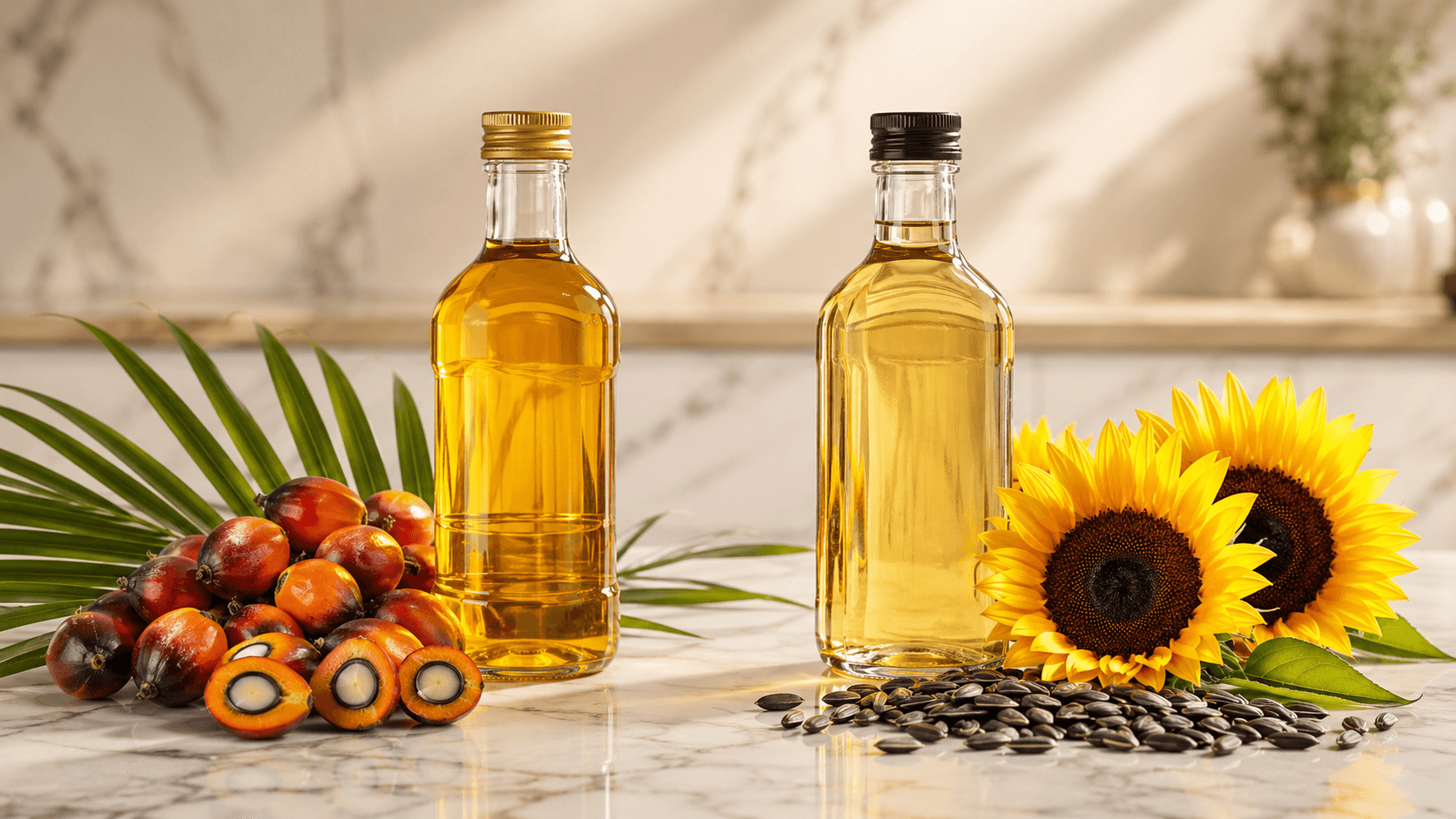
For food manufacturers, bakeries, confectionery producers, and industrial buyers, choosing between crude palm oil (CPO) and crude sunflower oil (CSO) is one of the most consequential procurement decisions in the supply chain. Both oils dominate global vegetable oil trade, yet they serve different industrial purposes, carry different price dynamics, and originate from entirely different regions of the world.
Through its food division France AJ Alimentaire, France AJ Group supplies both crude palm oil and crude sunflower oil to B2B buyers, refiners, and food manufacturers across Africa, the Middle East, and Asia. This guide breaks down everything a serious buyer needs to know before placing an import order.
What Is Crude Palm Oil (CPO)?
Crude palm oil is extracted from the fleshy mesocarp of the oil palm fruit (Elaeis guineensis). It is the world's most consumed vegetable oil, accounting for approximately 35–40% of global vegetable oil production. In its crude form, CPO has a characteristic deep orange-red color due to its high beta-carotene content, a semi-solid texture at room temperature, and a relatively neutral flavor profile after refining.
After refining, bleaching, and deodorizing (RBD process), palm oil becomes one of the most versatile fats used in food manufacturing — from frying oils and margarine to bakery shortenings, instant noodles, chocolate coatings, and dairy-alternative spreads.
Key producing countries: Indonesia and Malaysia together account for over 85% of global palm oil supply. Other minor producers include Thailand, Colombia, and Nigeria.
What Is Crude Sunflower Oil (CSO)?
Crude sunflower oil is extracted from the seeds of the sunflower plant (Helianthus annuus) through mechanical pressing or solvent extraction. It is light yellow in color, liquid at room temperature, and has a mild, clean flavor — making it highly popular in consumer markets and foodservice applications worldwide.
Two primary varieties exist in international trade: high-linoleic sunflower oil (the conventional grade, rich in omega-6 fatty acids) and high-oleic sunflower oil (a premium grade with superior heat stability and extended shelf life, favored in snack food manufacturing and frying applications).
Key producing countries: Ukraine and Russia collectively supply over 75% of global sunflower oil exports. Other producers include Argentina, the European Union, and Turkey.
Side-by-Side Comparison
| Parameter | Crude Palm Oil (CPO) | Crude Sunflower Oil (CSO) |
|---|---|---|
| Color (crude) | Deep orange-red | Light yellow |
| State at room temp | Semi-solid (20–25°C) | Liquid |
| Smoke point (refined) | ~232°C (450°F) | ~227°C (440°F) |
| Saturated fat content | ~50% | ~11% |
| Unsaturated fat content | ~50% | ~89% |
| Main fatty acid | Palmitic acid (C16:0) | Linoleic acid (C18:2) |
| Shelf life (refined) | 18–24 months | 12–18 months |
| Price stability | Moderate (weather-sensitive) | High volatility (conflict-sensitive) |
| Primary use | Frying, bakery, margarine, soap | Cooking oil, salad dressing, frying |
| RSPO certification | Available | Not applicable |
| Halal certified | Yes (on request) | Yes (on request) |
Fatty Acid Profiles: Why It Matters for Food Manufacturers
The fatty acid composition of an oil directly determines its performance in food production — from frying stability and texture to shelf life and labeling requirements.
Palm Oil — High in Saturates, Superior Stability
CPO's high saturated fat content (~50%) gives refined palm oil exceptional oxidative stability. This makes it the preferred choice for:
- High-temperature frying: Fast food chains, snack producers, and instant noodle manufacturers rely on palm olein (the liquid fraction of refined palm oil) because it resists polymerization and off-flavor development under repeated frying cycles.
- Bakery shortenings and margarines: Palm stearin (the solid fraction) provides the plasticity and melting behavior needed for puff pastry, croissants, and spreadable margarines without hydrogenation.
- Confectionery fats: Palm mid-fraction (PMF) is used as a cocoa butter equivalent in chocolate and coating applications.
Sunflower Oil — High in Unsaturates, Superior Consumer Appeal
CSO's high unsaturated fat content (~89%) — primarily linoleic acid in the standard grade — gives it a light color, neutral taste, and strong consumer preference for retail cooking oil. However, this same profile makes it more susceptible to oxidation at high temperatures.
- Retail cooking oil: Bottled sunflower oil is one of the most preferred consumer cooking oils in Africa, the Middle East, and Eastern Europe due to its light flavor and perceived health image.
- Salad dressings and mayonnaise: Its liquid state and clean flavor make it ideal for emulsified products and cold-use applications.
- High-oleic grade for frying: High-oleic sunflower oil (80%+ oleic acid) bridges the gap — offering better frying stability closer to palm olein while maintaining the "sunflower" consumer label.
Pricing Dynamics in 2026
Price is often the deciding factor for industrial buyers managing tight margins. In 2026, both oils are subject to distinct supply-side pressures:
Palm Oil: Prices are primarily driven by Indonesian and Malaysian production cycles, El Niño weather patterns affecting yield, and biodiesel blending mandates in both countries. The CPO benchmark on Bursa Malaysia Derivatives (BMD) serves as the global reference price. Supply is generally more predictable than sunflower oil, making CPO a more stable procurement option for annual contracts.
Sunflower Oil: The Russia–Ukraine conflict continues to have lasting effects on Black Sea sunflower oil exports. Port access, seasonal harvest conditions, and export policy changes in both countries create significant price volatility. Buyers who depend exclusively on sunflower oil face elevated procurement risk and should consider diversification or strategic stockpiling.
"At France AJ Group, we advise food manufacturers not to depend on a single vegetable oil source. Blending CPO fractions with high-oleic sunflower oil, or sourcing from diversified origins, is the most resilient procurement strategy for 2026 and beyond." — France AJ Group Representative
Certifications Buyers Should Request
When sourcing either oil for food manufacturing, buyers must ensure proper documentation accompanies every shipment:
- Certificate of Analysis (COA): Confirms FFA content, moisture, impurities, iodine value, and peroxide value.
- Phytosanitary Certificate: Required by most importing countries for plant-derived commodities.
- HALAL Certification: Essential for buyers supplying Muslim-majority markets across the Middle East, North Africa, and Southeast Asia.
- RSPO Certificate (palm oil only): Roundtable on Sustainable Palm Oil certification — increasingly required by European buyers and major food brands committed to deforestation-free supply chains.
- ISO 22000 / FSSC 22000: Food safety management certification from the processing facility.
- SGS or Bureau Veritas Pre-Shipment Inspection: Third-party quantity and quality verification at the loading port — strongly recommended for first-time supplier relationships.
Which Oil Is Right for Your Business?
The answer depends on your end application, target market, and price tolerance:
- Choose crude palm oil if you operate a refinery, produce bakery fats or margarines, manufacture instant noodles or snack foods, or need a cost-efficient, stable frying medium at industrial scale.
- Choose crude sunflower oil if you produce consumer retail cooking oil, cold-use products such as dressings or sauces, or operate in markets where sunflower oil has strong brand recognition and consumer preference.
- Consider both in a blended strategy if you want to balance cost, stability, and market positioning — a common approach among large-scale food manufacturers and private label producers.
How France AJ Group Supplies Both Oils
Through France AJ Alimentaire, France AJ Group maintains reliable supply networks for both crude palm oil and crude sunflower oil, sourced from certified origins in Southeast Asia, Eastern Europe, and South America. Our B2B clients benefit from:
- Competitive FOB and CIF pricing on confirmed volume contracts
- Flexible packaging: ISO tank containers, flexi-bags, or IBC totes
- Full documentation package: COA, phytosanitary certificate, HALAL certificate, bill of lading, and third-party inspection reports
- Dedicated trade support for letter of credit (LC), TT, and CAD payment structures
- Origin flexibility: Indonesia, Malaysia (CPO) / Ukraine, Argentina (CSO)
About France AJ Group & France AJ Alimentaire
France AJ Group is an international trading leader operating across food commodities, building materials, and more. With a global presence spanning Europe, Africa, Asia, and the Americas, the Group builds reliable trade flows through specialized divisions combining global sourcing with local market expertise.
France AJ Alimentaire, the Group's food division, specializes in the import and export of agricultural commodities including edible oils, grains, sugar, frozen meats, rice, and condiments — serving B2B buyers, refiners, wholesalers, and distributors across multiple continents.
Read More
Related Articles
Food & Agriculture
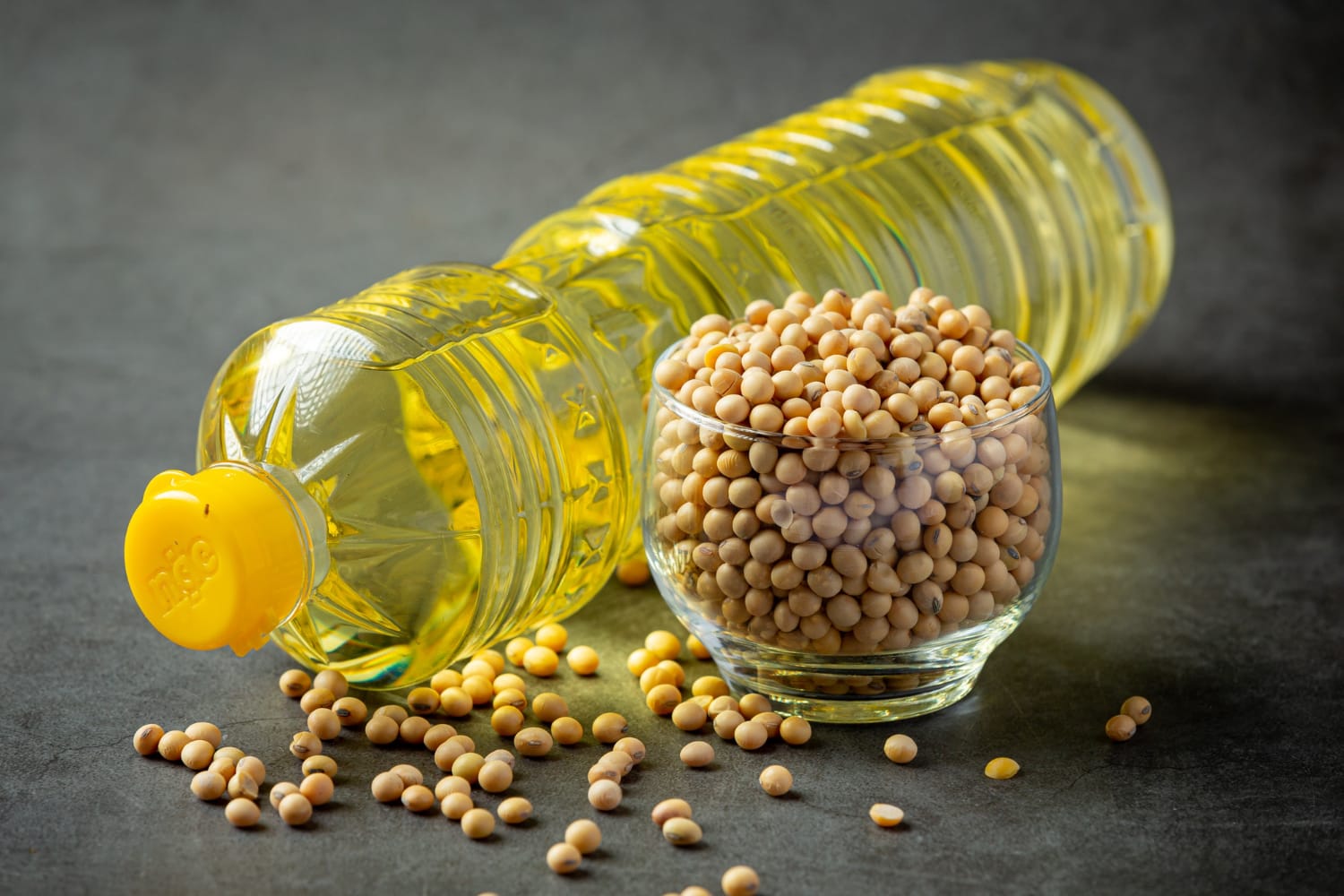
Crude Soya Oil Exports to Morocco: France AJ Group Market Entry
France AJ Group, through its food division France AJ Alimentaire, launches a strategic initiative to supply crude soya oil to Morocco, supporting local refining, food security, and industrial growth.

Events & Exhibitions
France AJ Alimentaire to Showcase at Saudi Food Manufacturing 2025 in Riyadh
France AJ Alimentaire announces its participation in Saudi Food Manufacturing 2025 in Riyadh, presenting HALAL-certified food products and B2B solutions for the Middle East food industry.

Events & Exhibitions
France AJ Alimentaire at The Saudi Food Show 2025, Riyadh
France AJ Alimentaire joins The Saudi Food Show 2025 in Riyadh, presenting HALAL-certified food products and B2B solutions for the Middle East food industry.
Want to Learn More?
Explore our companies and discover how France AJ Group can support your business needs
Explore Our Companies