
Business & Trade
How to Check If a Supplier Is Legit or a Scam Before Sending Money
Tags
Share this article
A practical 2026 guide by France AJ Group to help importers verify suppliers, avoid scams, and protect their business before making any international payment.
In global trade, the biggest risk for new and experienced buyers is sending money to a supplier who turns out to be fake. With thousands of fraudulent websites appearing each year, knowing how to verify a supplier before payment is essential for protecting your business. As an international import–export leader, France AJ Group outlines the most reliable methods to confirm whether a supplier is legitimate or a potential scam.
Key Steps to Verify a Supplier
1. Examine the Supplier’s Website Carefully
A professional website does not always mean a real company, but scam websites almost always expose themselves through weak details. Look for missing addresses, no phone numbers, poor English, overly cheap pricing, or product photos copied from other sites. A legitimate supplier should have a clear physical address, proper email domain, and real product content.
2. Verify Company Registration Documents
Always request the company’s business license, tax ID, and export license if applicable. Then cross-check the documents using the official registry of the supplier’s country. Scammers avoid providing verifiable documents or send fake certificates that do not match any official database. Legit companies provide documents openly and transparently.
3. Check Their Payment Methods
The payment method is one of the strongest scam indicators. Scammers often insist on high-risk options such as Western Union, MoneyGram, cryptocurrency only, or personal bank accounts. A trustworthy supplier will accept secure options like company bank transfers, LC, PayPal (for small trial orders), or platform-protected payments with traceability.
4. Request Real Proof: Video Call, Factory Photos, and Certifications
Scammers cannot show real facilities. A genuine supplier should be able to perform a video call from their warehouse or office, send real-time photos, provide HALAL/ISO certificates, and offer references from past buyers. Any hesitation or excuses, especially regarding live verification, is a strong warning sign.
5. Review Their Online Presence
A real business leaves a digital footprint. Check their social media pages, LinkedIn profiles, Google Business listings, or industry forums. Scam operations usually have new accounts, no followers, no physical location, and no online engagement. Consistent online presence is an important trust indicator.
6. Compare Prices With Market Standards
If the price is far below market value, it is almost certainly a scam. No real supplier sells edible oils, sugar, chicken, beef, electronics, or construction materials at unrealistically low prices. Compare their pricing with major B2B platforms and global average market rates to ensure credibility.
7. Request a Proper Proforma Invoice (PI)
A legitimate PI includes the company name, registration details, address, bank account under the same legal entity, product specifications, and export terms. Scammers usually send incomplete, low-detail, or unprofessional invoices that lack legal traceability. A complete PI is essential for due diligence.
8. Use Third-Party Inspection Services
For medium to large orders, hiring SGS, Bureau Veritas, or Intertek for document verification and pre-shipment inspection is the safest approach. These organizations confirm product quality, factory authenticity, and contract compliance before you release payment.
"At France AJ Group, we prioritize safety and transparency. Our verification procedures allow clients to trade with confidence, knowing every supplier is screened and compliant with international regulations." – France AJ Group Representative
How France AJ Group Protects Buyers
As a global leader in import and export, France AJ Group ensures that all suppliers meet international certification standards, follow safe payment processes, and maintain full compliance. Through verified sourcing networks in Europe, Asia, Africa, and South America, the Group supports businesses in acquiring safe, authentic, and high-quality products without risk.
Conclusion
Before sending money, always verify the supplier’s documents, confirm their online presence, check payment safety, request live proof, and rely on recognized inspection agencies when needed. By following these steps, importers can avoid scams and build secure, long-term business relationships in global trade.
Read More
Related Articles
Food & Agriculture
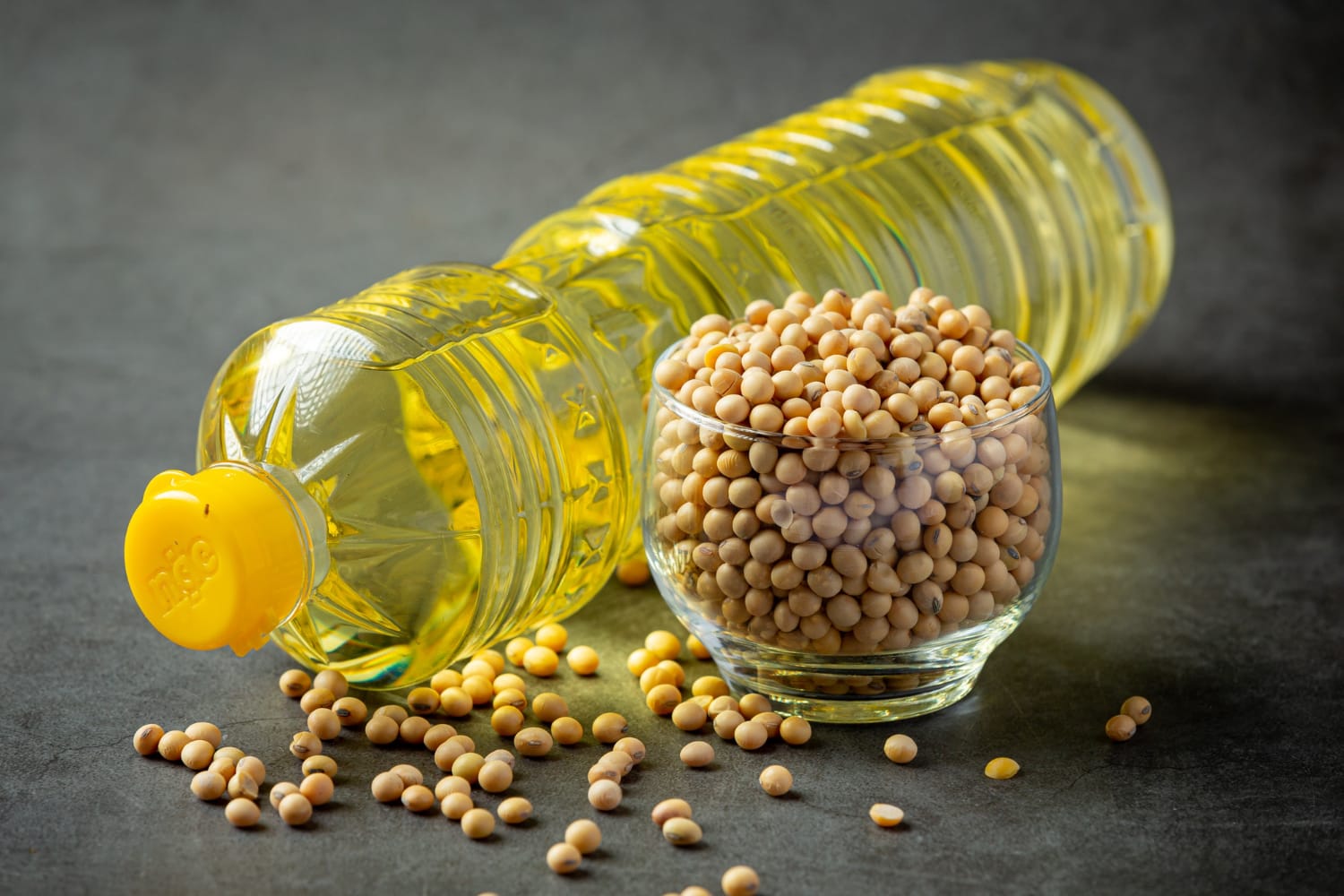
Crude Soya Oil Exports to Morocco: France AJ Group Market Entry
France AJ Group, through its food division France AJ Alimentaire, launches a strategic initiative to supply crude soya oil to Morocco, supporting local refining, food security, and industrial growth.
Events & Exhibitions
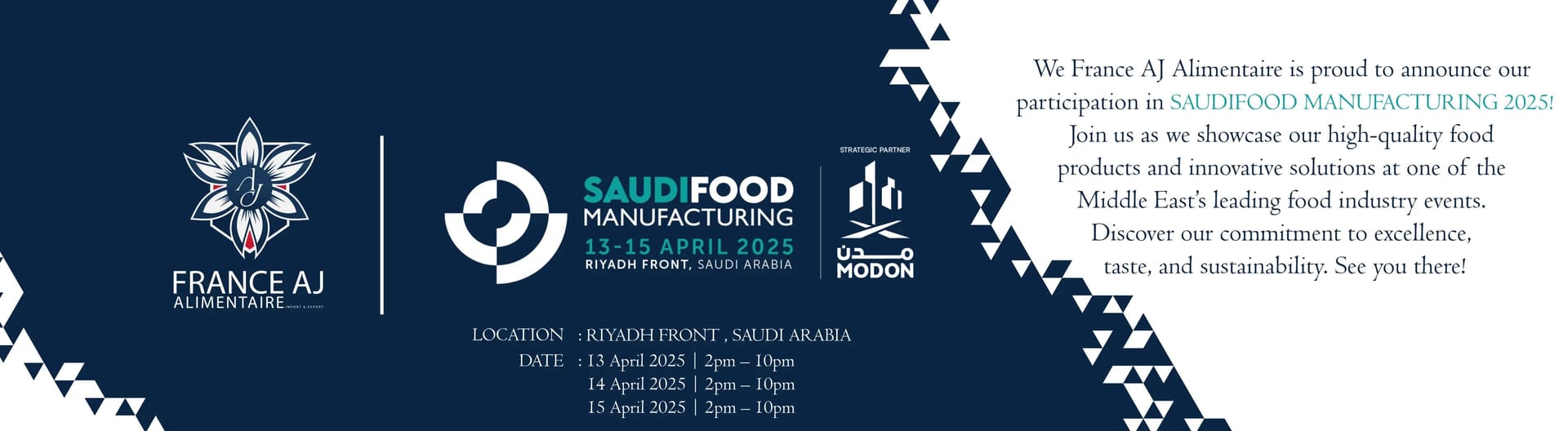
France AJ Alimentaire to Showcase at Saudi Food Manufacturing 2025 in Riyadh
France AJ Alimentaire announces its participation in Saudi Food Manufacturing 2025 in Riyadh, presenting HALAL-certified food products and B2B solutions for the Middle East food industry.

Events & Exhibitions
France AJ Alimentaire at The Saudi Food Show 2025, Riyadh
France AJ Alimentaire joins The Saudi Food Show 2025 in Riyadh, presenting HALAL-certified food products and B2B solutions for the Middle East food industry.
Want to Learn More?
Explore our companies and discover how France AJ Group can support your business needs
Explore Our Companies